

A three step guide for digitisation
Key Takeaways
- Step 1: Assess Current Operations – Understand your fleet's current performance to identify bottlenecks, inefficiencies, and opportunities for optimisation through data.
- Step 2: Define Clear Goals – Establish specific, measurable objectives for digitisation, such as improving efficiency, reducing costs, or enhancing accountability, ensuring a strong return on investment.
- Step 3: Choose Appropriate Tools – Select the right software and tools, like MyKalmar INSIGHT, ensuring seamless integration, easy implementation, comprehensive support, and robust data security.
- Implement Gradually – Start with high-impact areas and integrate the new platform step-by-step to avoid overwhelming teams, fostering steady optimisation and control.
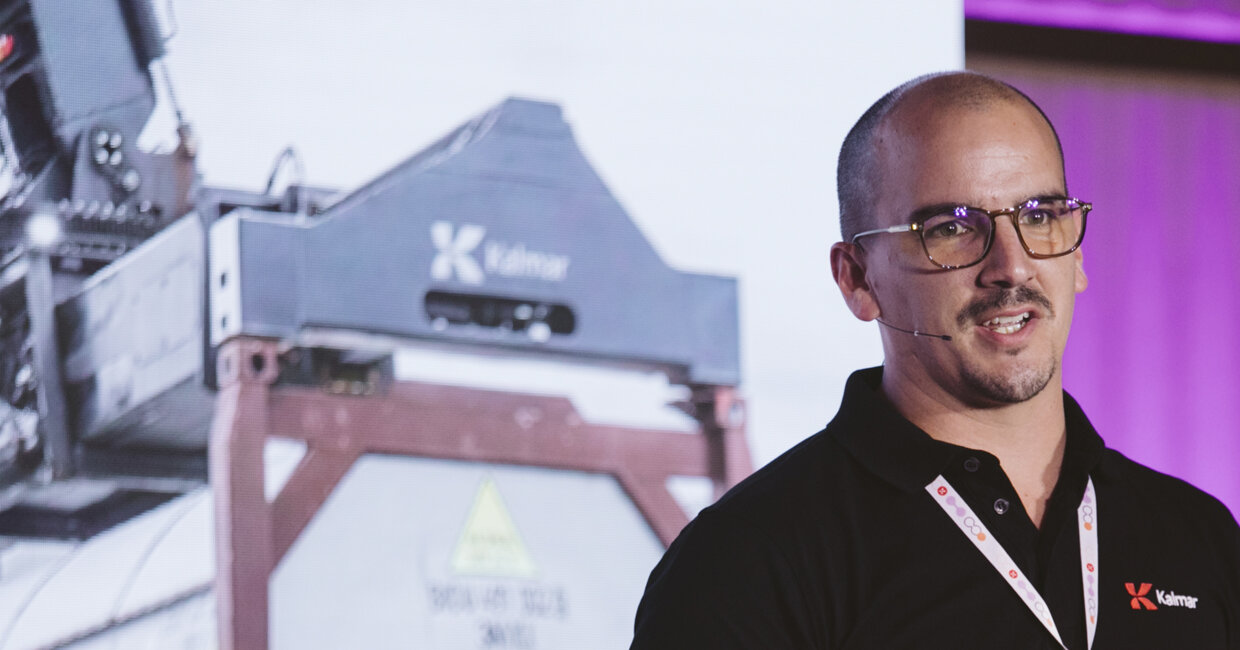
This article provides a clear, step-by-step guide to fleet digitisation, offering insights from Byron Meugens, Director, Solution Sales Oceania. Discover how to achieve enhanced visibility and control over your operations.
What is fleet digitisation and why is it important for my business?
Fleet digitisation involves leveraging technology to gain enhanced visibility and control over your operations. According to Byron Meugens, it is crucial because it helps identify bottlenecks, inefficiencies, and opportunities for optimisation that are often invisible with manual processes, leading to measurable cost savings and higher throughput.
Step 1: How do you begin your fleet digitisation journey?
The crucial first step is to thoroughly assess your current fleet operations. It's essential to understand exactly how your fleet performs, regardless of its size. Digitisation provides critical visibility into bottlenecks, inefficiencies, and opportunities for optimisation that cannot be identified manually. For instance, real-time data analysis and geofencing can reveal hidden issues like traffic bottlenecks, leading to restructured layouts, improved traffic flow, and significant fuel savings.
Step 2: What specific goals should you set for fleet digitisation?
Digitisation should be driven by clear, bottom-line impacting goals, rather than just adopting new technology. Key objectives often include:
- Improving efficiency through reduced idle times and optimised driver routes.
- Lowering operational costs, such as fuel, tyres, and yard maintenance.
- Enhancing driver accountability by implementing performance-based Key Performance Indicators (KPIs).
Fleet digitisation adds clarity and actionable insights, acting as an additional layer of oversight that helps identify effective and ineffective practices. While an initial investment is required, the return on investment (ROI) is substantial; for example, MyKalmar INSIGHT users have reported up to 20% fuel savings within the first year.
Step 3: How do you select the appropriate tools and software for fleet digitisation?
Selecting the correct tools is paramount for successful digitisation. MyKalmar INSIGHT offers a seamless transition to a digital fleet management system, featuring:
- Hardware compatibility: It integrates diverse fleets onto a single platform.
- Easy implementation: Kalmar provides comprehensive hardware installation and step-by-step onboarding.
- Training and support: Practical training and ongoing support are provided to ensure teams are confident in daily use.
Kalmar prioritises data security, protecting your operational data with advanced encryption and secure access protocols to mitigate risks and maintain transparency and control.
What common pitfalls should be avoided during fleet digitisation?
A frequent mistake is attempting to implement too much too quickly, which can overwhelm teams. Byron Meugens advises:
- Starting with small, high-impact areas such as fuel savings or driver performance.
- Regularly reviewing insights with Kalmar experts to gradually refine processes.
It's recommended to integrate the platform into daily operations at a steady pace, allowing benefits to accumulate as operations are optimised.
The key takeaway of fleet digitisation
Fleet digitisation provides actionable insights that deliver measurable results. Through tools like MyKalmar INSIGHT, businesses gain enhanced visibility, efficiency, and control over their operations, regardless of fleet size. Essentially, digitisation equips you with the tools to achieve complete control over your business operations.
Discover fleet digitisation in action!
Learn how Tracsa, a trusted Kalmar dealer, transformed their offerings and supported customers with MyKalmar INSIGHT.
Related articles
Subscribe and receive updates in your email
Subscribe